Architecture and Memory
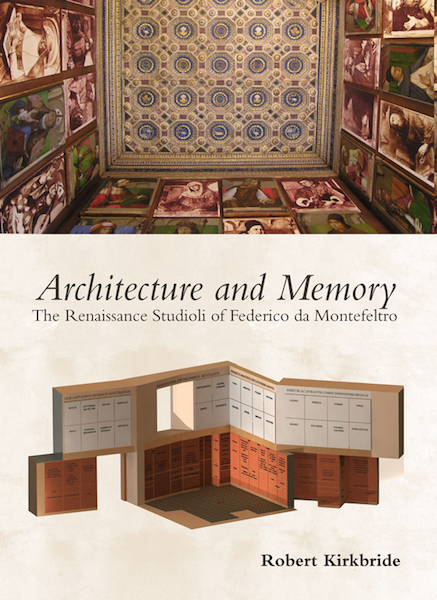
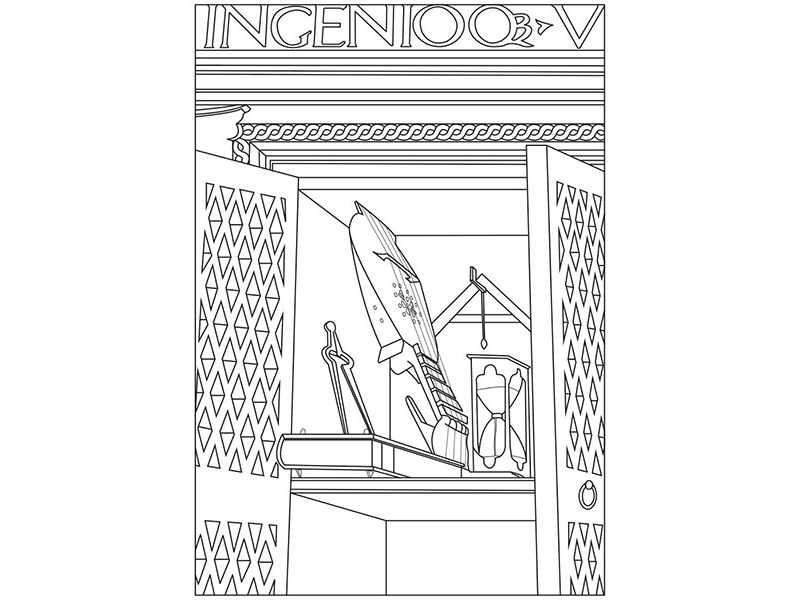
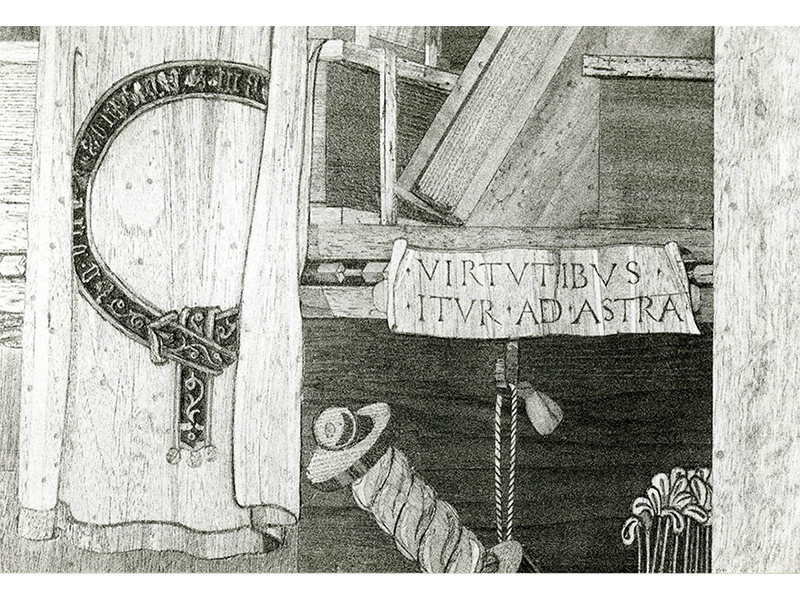
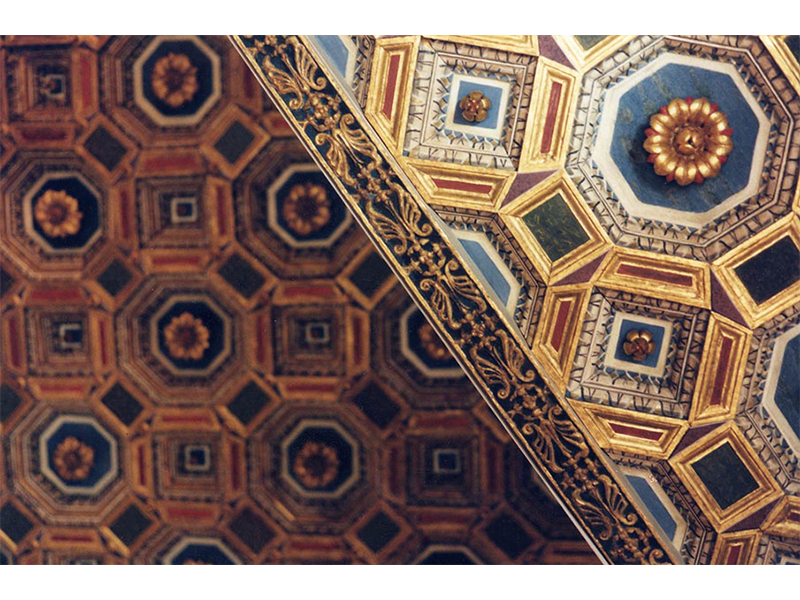
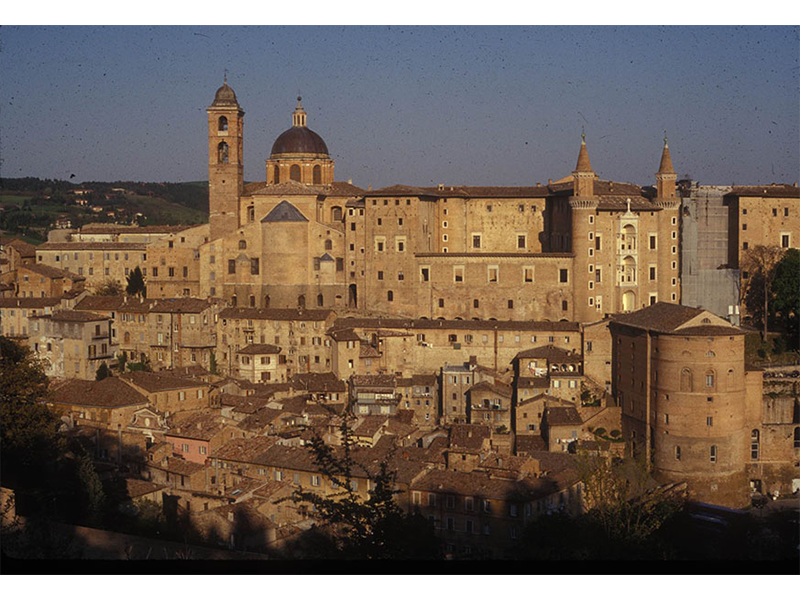
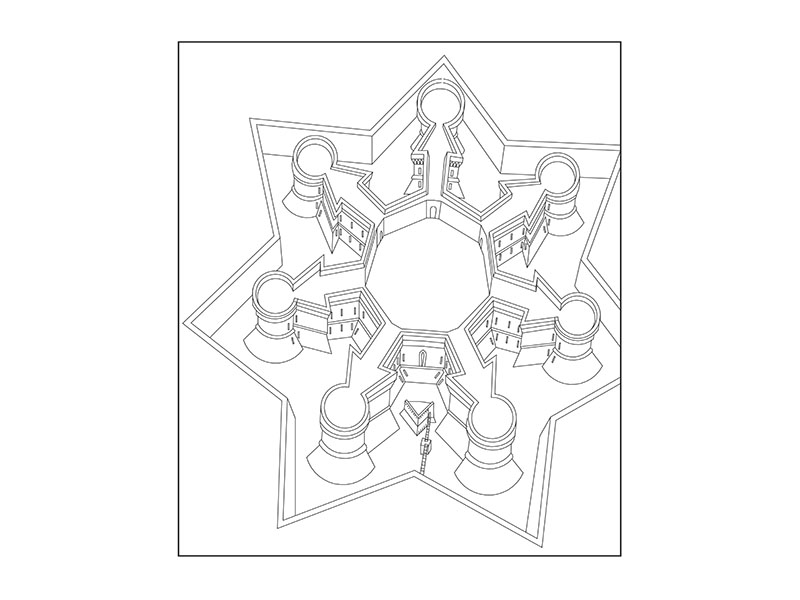


- Project: Architecture and Memory: The Renaissance Studioli of Federico da Montefeltro
- Type: Multimedia online book
- Publisher: Columbia University Press (Gutenberg-e Series); American Council of Learned Societies Humanities E-Book, digital “reprint”
- Year: 2008, 2013
- Notes: Awarded Gutenberg-e Prize, nominated for Herbert Baxter Adams Prize
Perhaps the most unique and innovative of the Gutenberg-e titles was Robert Kirkbride’s Architecture and Memory: The Renaissance Studioli of Federico de Montefeltro […] The digital medium was a natural extension of an interdisciplinary approach that was central to [Kirkbride’s] research on two Renaissance memory chambers. Thanks to a matrix of text, notes, captions, images, indices, and galleries all linked to one another in a navigational grid, it was possible to read his book in linear fashion. But it was also possible to dip in and out, and that was the point. Kirkbride used interactive technology to recreate the process of associative thought common to Renaissance thinkers like the patrons and saints of the studioli but largely abandoned in the move to academic specialization in the late nineteenth and twentieth centuries
– John Seaman and Margaret Graham, 2012 report assessing the origins, development, and impact of the Gutenberg-e digital publishing program on historical scholarship
Architecture and Memory is an open access online multimedia book (Columbia University Press, 2008) that reconstructs the multifaceted uses of two Renaissance memory chambers. It received the Gutenberg-e Prize from the American Historical Association and was nominated for the Herbert Baxter Adams Prize.
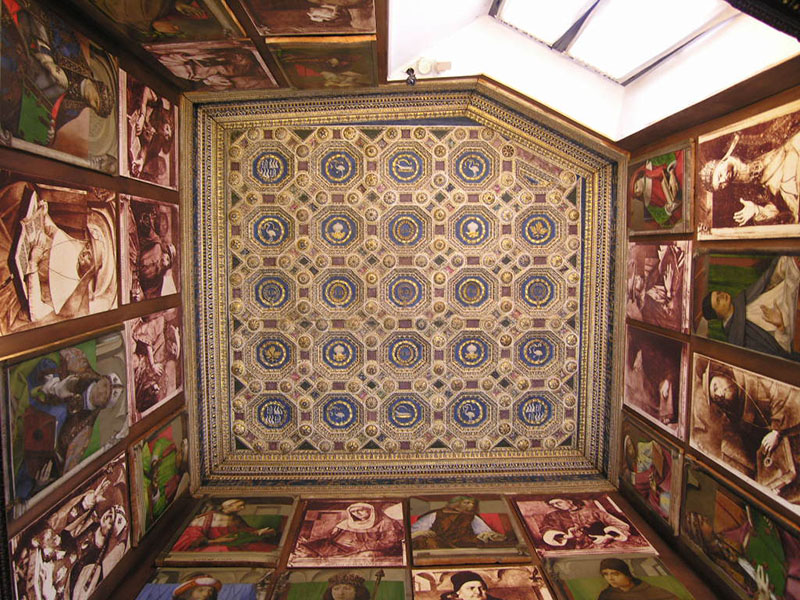
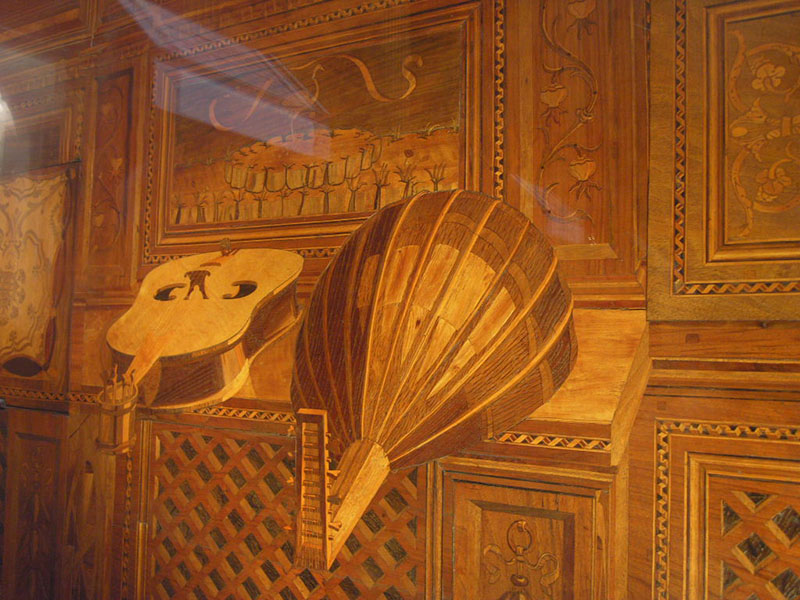
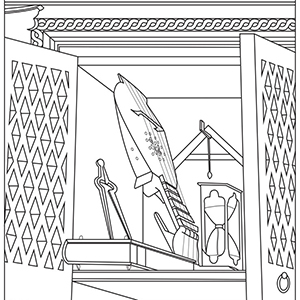
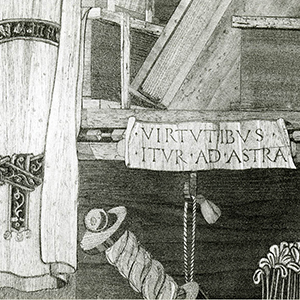
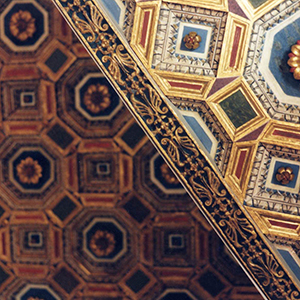
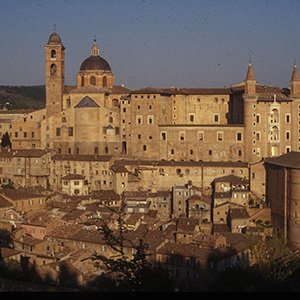
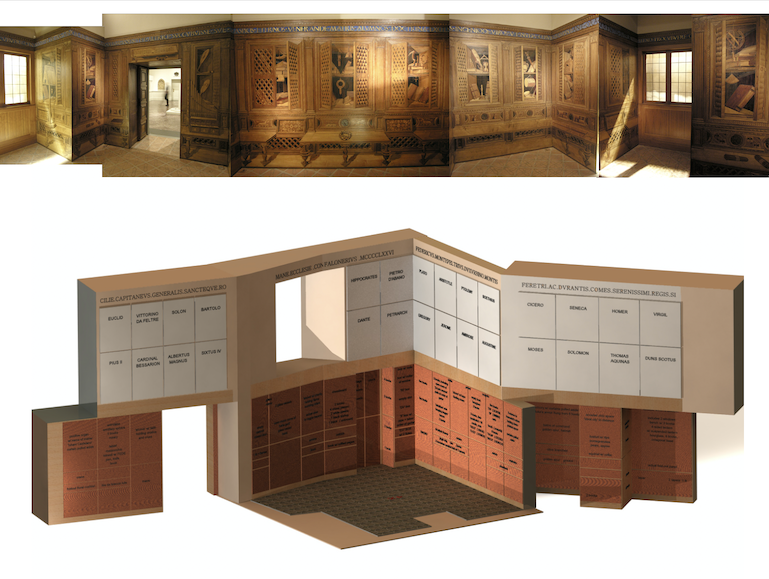
The studioli of the ducal palaces at Urbino and Gubbio, Italy, demonstrate architecture’s capacity to bridge the mental and physical realms of human experience. Constructed between 1474 and 1483 for the renowned military captain Federico da Montefeltro, Duke of Urbino, and his young motherless son, prince Guidobaldo, the studioli may be described as treasuries of emblems: they contain not things but images of things, rendered with remarkable perspectival exactitude. These small, image-filled chambers reflect how architecture and its ornament prepared a quattrocento mind with metaphors for wisdom and methods for statecraft and intellectual commerce.
My investigation of the studioli examines their position in the western tradition of the memory arts, an approach not previously considered. Drawing upon the densely layered imagery in the studioli and text sources readily available to the Urbino court, I examine how architecture equipped the late quattrocento mind with a bridge between the mathematical arts, which lend themselves to mechanical pursuits, and the art of rhetoric, a discipline central to memory and eloquence. As subtle ramifications of material and mental craft, the studioli offered the Montefeltro dukes models for education and prudent governance, extending an ancient legacy of open-ended architectonic models conceived to activate the imagination and exercise the memory.
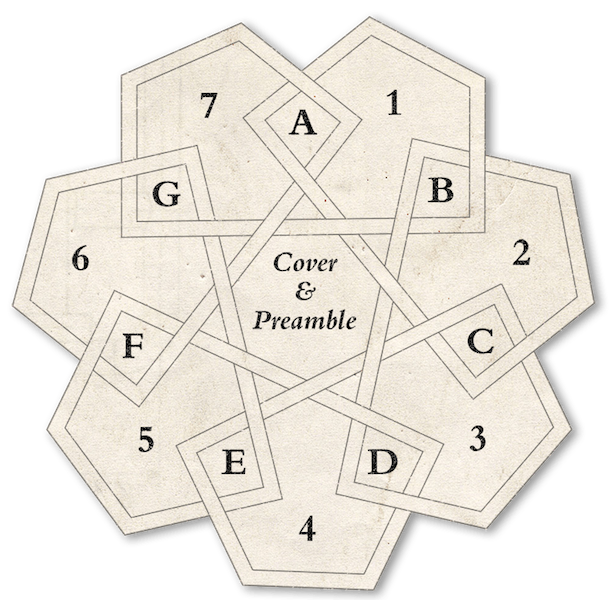
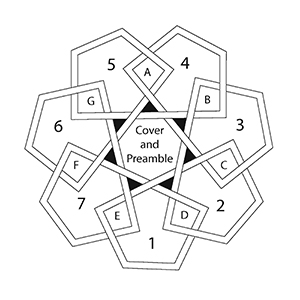
I designed Architecture and Memory to be read in multiple ways, encouraging readers to cross-navigate via text, footnotes, extended captions, images, indexes, and galleries. Such digital research tools extend ancient practices for forming associational links that are literally embedded in the walls of the studioli. At the time of their construction, the studioli embodied the leading edge in technologies of visual representation, through the arts of intarsia (wood inlay) and perspective. Translation of this research into the digital environment, with assistance from the Gutenberg-e Prize, technicians from Columbia University Press and students from Parsons School of Design, represented a natural extension of its historical subject, offering an opportunity to explore how contemporary interactive technologies reactivate and transform ancient metaphors for thought and learning. A Preamble introduces readers to a navigational icon to journey through the book.
Note as of January 1, 2021:
Despite its somewhat reduced navigational interactivity, this XML version of Architecture and Memory is now open access. Efforts to improve the navigational flow of the ACLS edition, which is now overseen by the University of Michigan Press, are also in process. Temporary workarounds, including alternative browsers, are suggested here.
IAQs
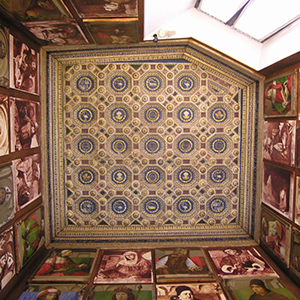
Chapter 1
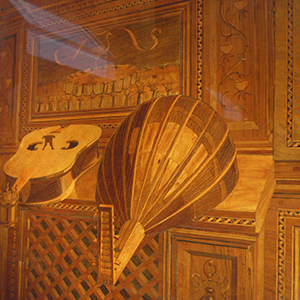
Chapter 2
Chapter 3
Chapter 4
Chapter 5
Chapter 6
Chapter 7
-

Culobocca
Design -

PreservationWorks
Interplay -

Always Becoming
Interplay -

Morbid Anatomy Museum
Design -
The Reading Chamber
Writing -
ARCHITECTURE & MEMORY
Writing -

The Giuseppe Zambonini Archive
Interplay -
Little Houses on the Black River
Teaching -
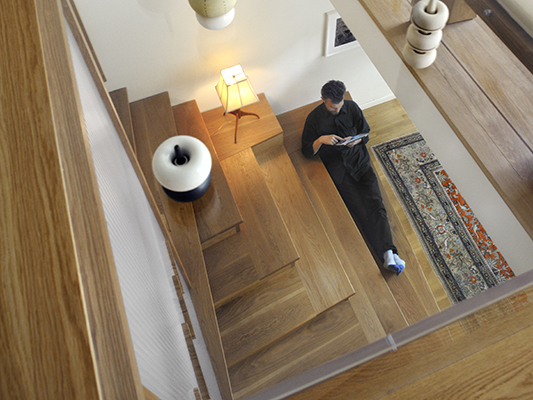
Milstein Residence
Design -
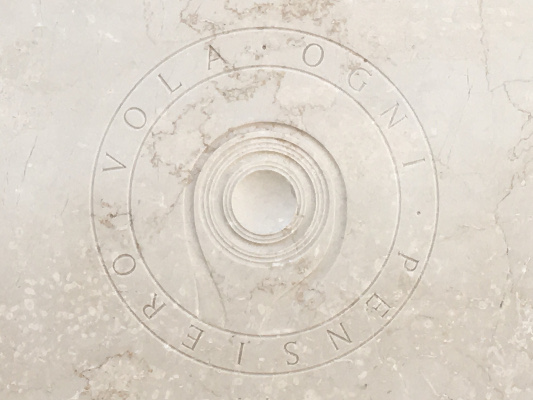
Zambonini Memorial Stone
Design -
O’Connor Residence
Design -

Bourdon 60Hz/50Hz Series
Interplay -

Mnemonics and Pneumatics
Writing -
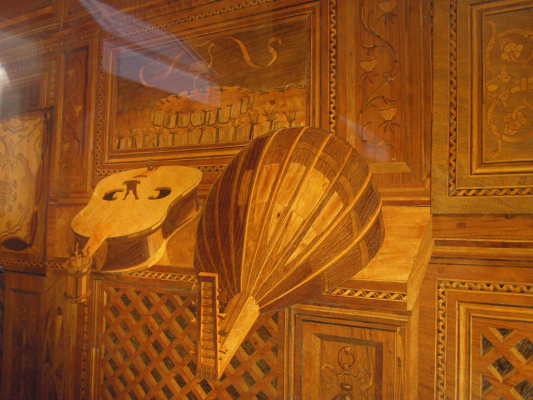
On Ornament and the Mind
Writing -
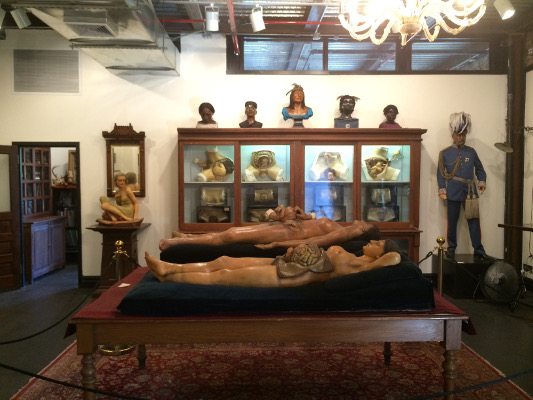
That Dark Cabinet
Writing -
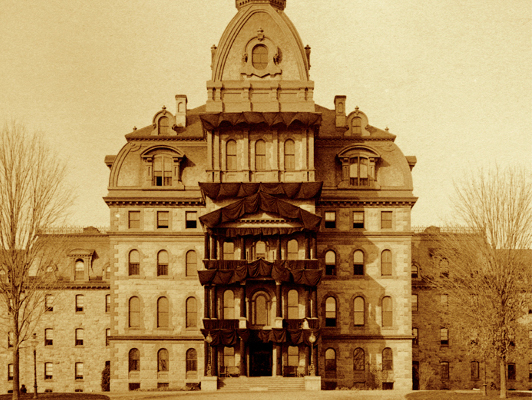
Greystone Park State Hospital
Writing -
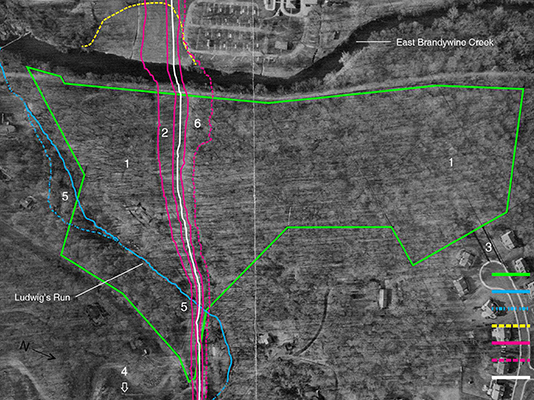
Hawk Circle
Design -
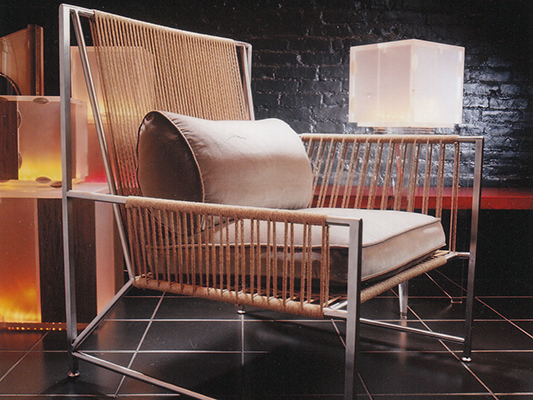
Studiolo Furniture
Design -
Performances
Interplay -
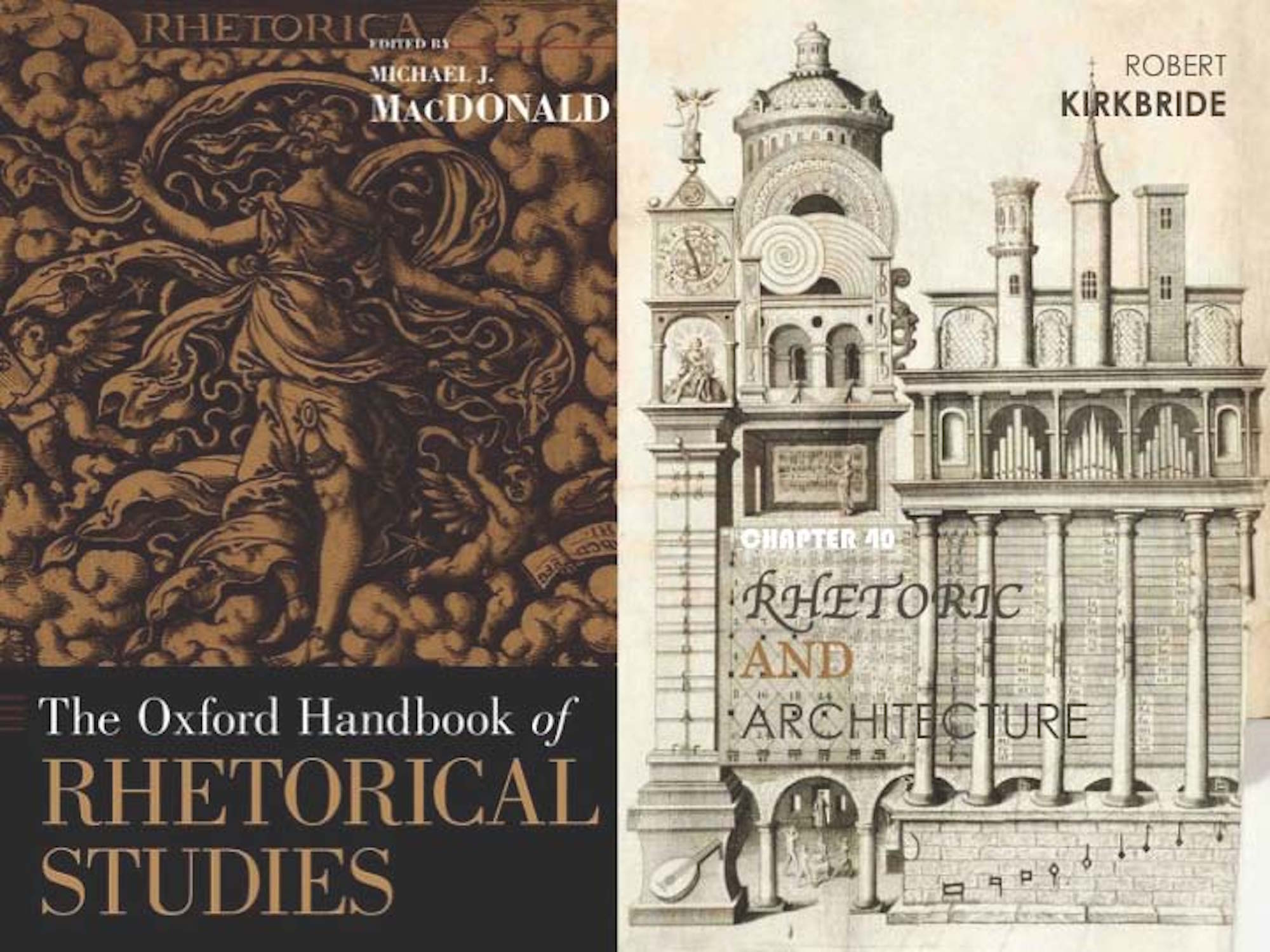
Rhetoric and Architecture
Writing -

On Water and Development
Writing -
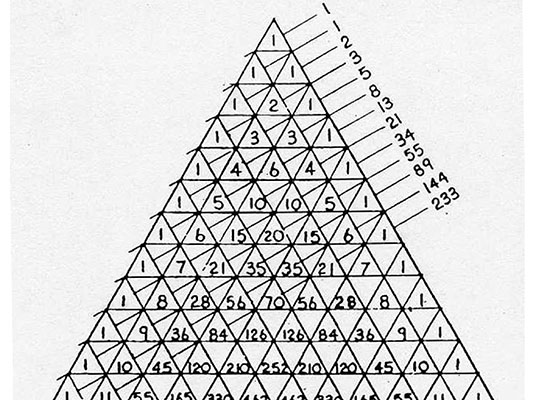
Number is Form and Form is Number
Writing -
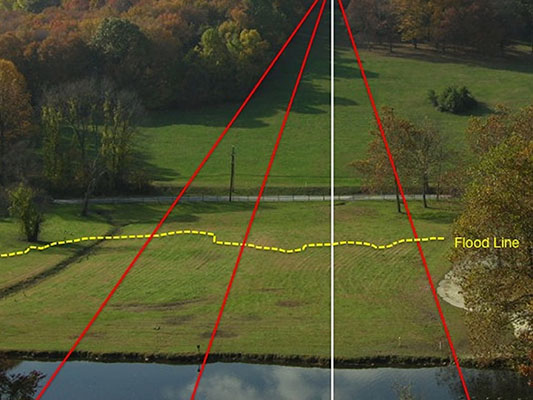
Upstream/Downstream
Writing -
Earlids
Interplay -
Veils and Velocities
Writing -

Speculations on Series Through Quattrocento Dust
Writing -
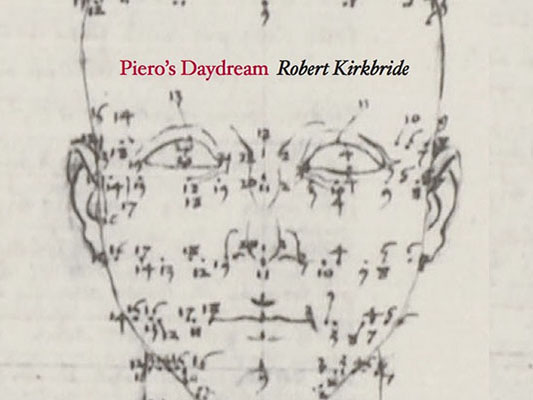
Piero’s Daydream
Writing -
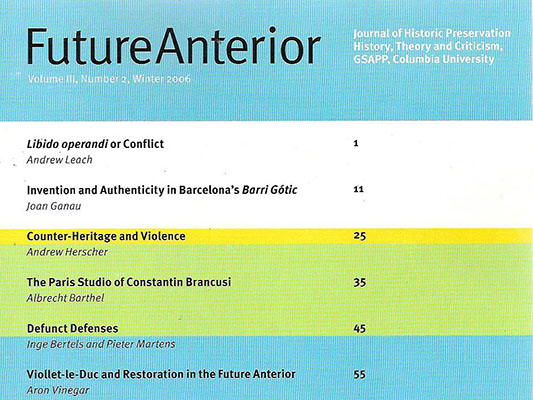
Future Anterior Review
Writing -
Chainmaking
Writing -
Nexus Network Journal
Writing