



Loading...
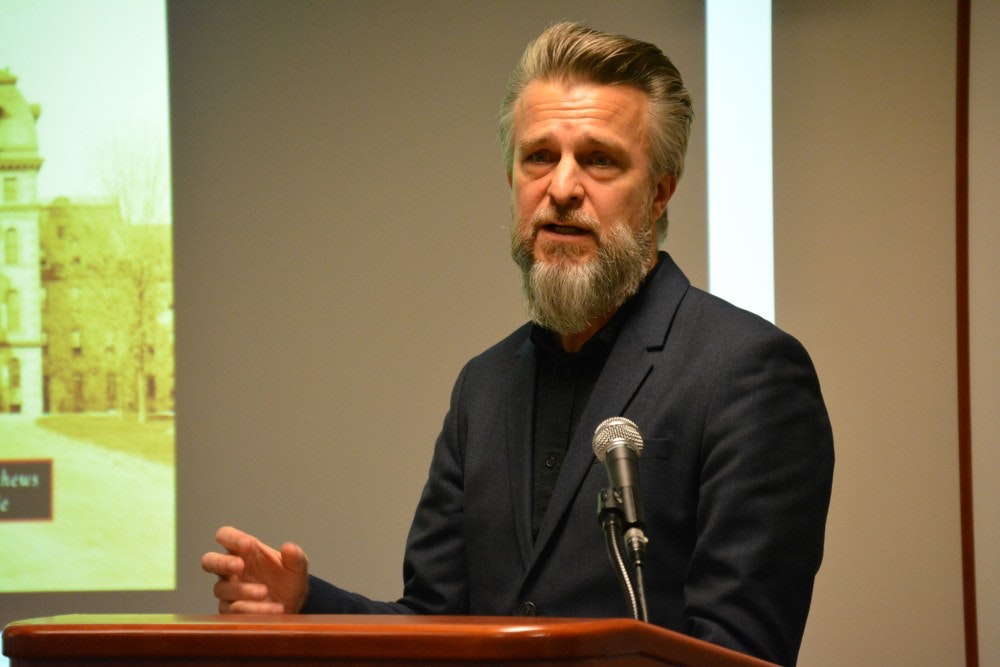
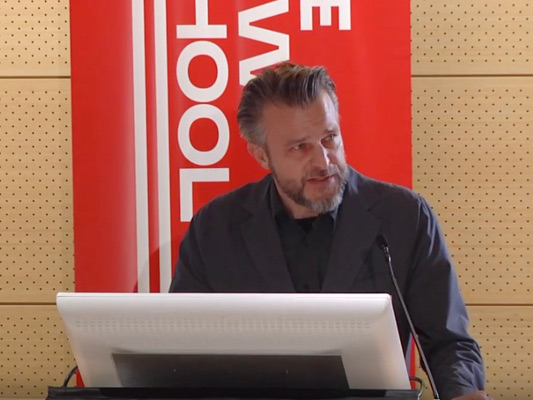
Robert Kirkbride specializes primarily in architecture and product design. But his thoughtful and steadfast commitment to exploring the full realm of design—including our relationship to what, how and why we design—makes the breadth of his work especially unique… Whether he’s contemplating historical artifacts, art works, commonplace (or arcane) objects, architectural spaces or natural landscapes, Kirkbride’s willingness to dig ever-more deeply into our personal and cultural understandings of what design means and what it can teach us provides an inherently multi-disciplinary approach we can use to consider any number of topics.

Tack Magazine interview

Photographed by Joy McKinney


This website presents a decade or so of my investigations on the interplay of memory and the constructed environment, through design, writing and teaching.

MORE

About

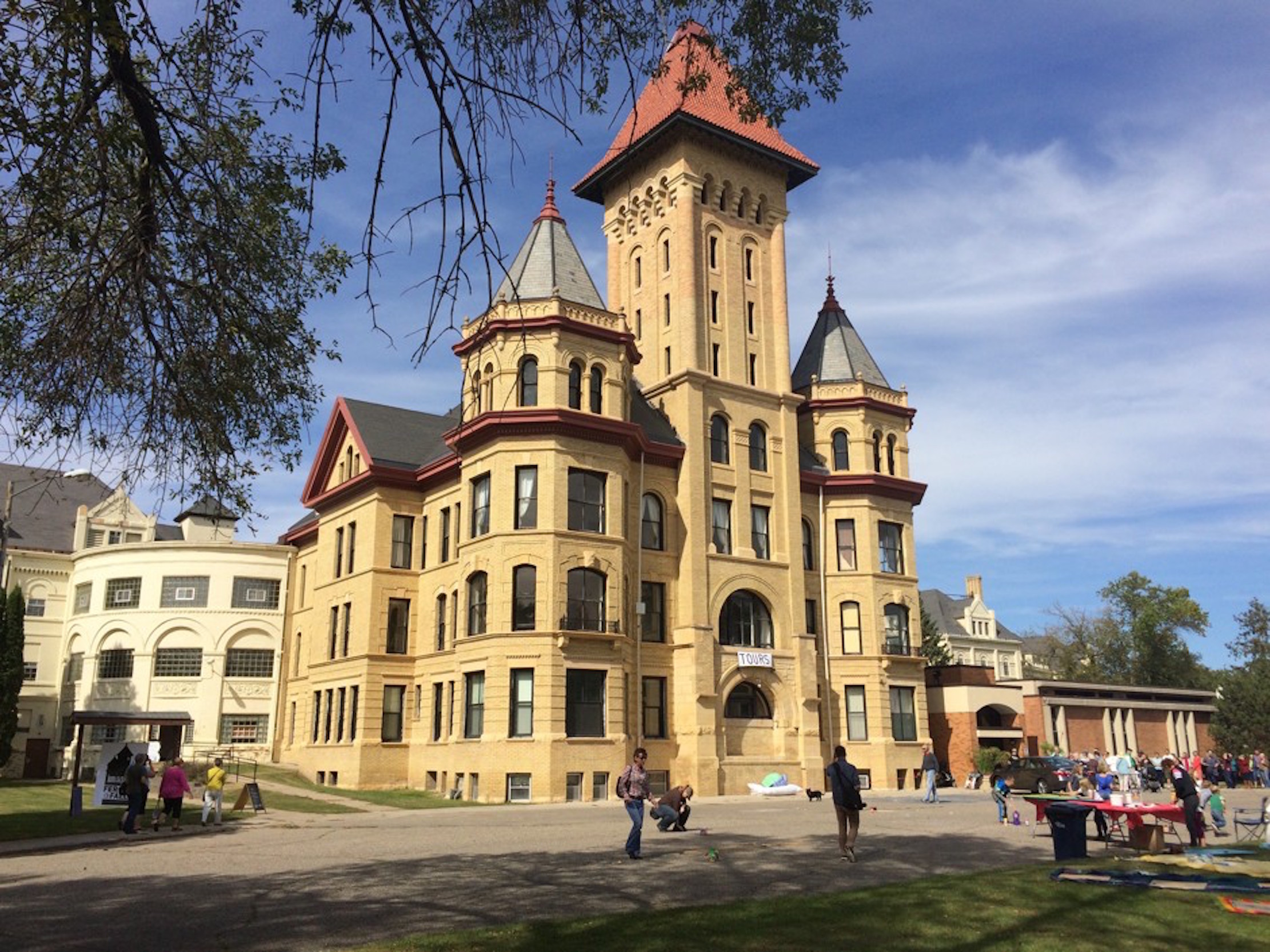
I am a scholar-practitioner whose practice centers on memory, identity and the constructed environment. Since 1991, I’ve directed studio ‘patafisico, an architectural design and research practice, and I’m currently Professor of Architecture and Product Design at Parsons School of Design/The New School, where I received the University Distinguished Teaching Award and served as Dean of the School of Constructed Environments from 2016 to 2021. I am also the spokesperson and a founding trustee for PreservationWorks, a national non-profit organization advocating the preservation and adaptive reuse of Linear “Kirkbride” Plan psychiatric hospitals, devised in the mid-nineteenth century by my distant relative, Dr. Thomas Story Kirkbride. I received my Ph.D. in the History and Theory of Architecture from McGill University, and a Master of Architecture and Bachelor of Arts in Design of the Environment from the University of Pennsylvania.


Following several intersecting lines of inquiry, my scholarship-practice has evolved rhizomatically. The projects integrate research and design to retrace forms of knowledge and know-how that are often lost or overlooked, including the impressions of memory and everyday habits on habitations. My research on the interdependence of physical and mental infrastructures of memory, identity, and learning has been recognized for its innovative use of digital media and methodologies. Practices of upstreaming and close readings of artifacts, buildings, texts, and contexts drive my design practice, writing, and teaching. My desire to understand cues and clues for using artifacts and buildings has led me to appreciate the physicality of thought and the roles of multisensorial perception in shaping our experiences of the world and what I’ve termed the period body. My early training as a vocalist and performer has informed several collaborations and is currently resurfacing through a series of new compositions.

Photographed by Melissa Grey

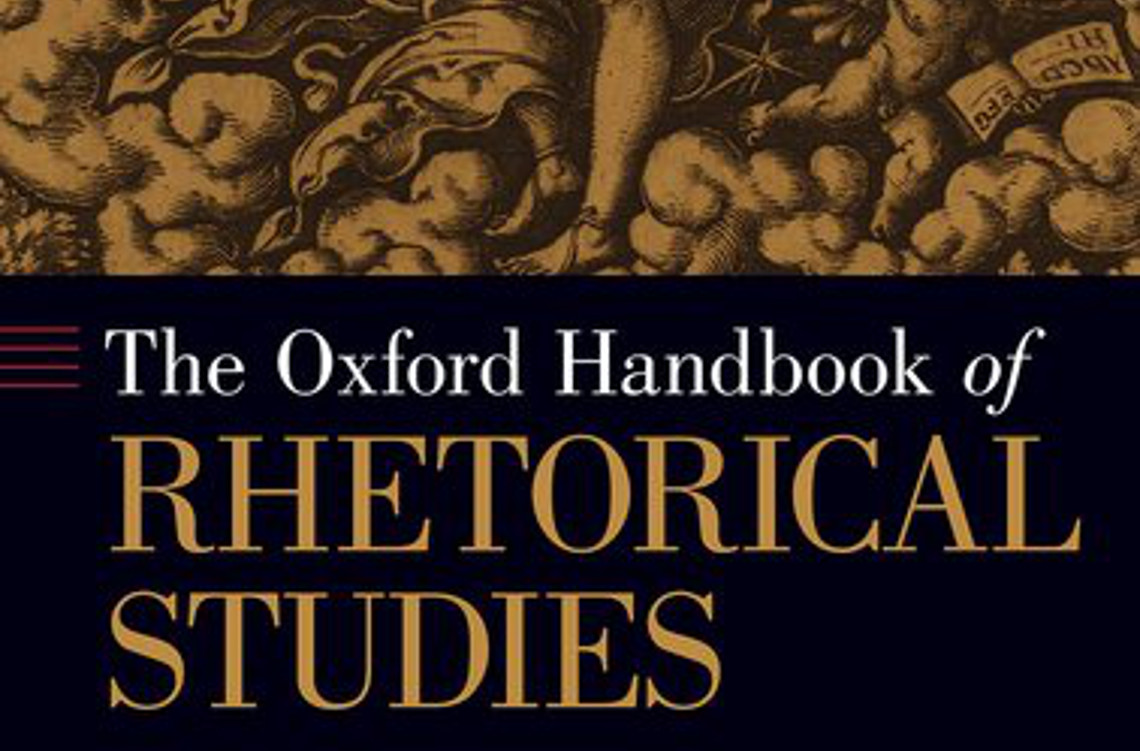
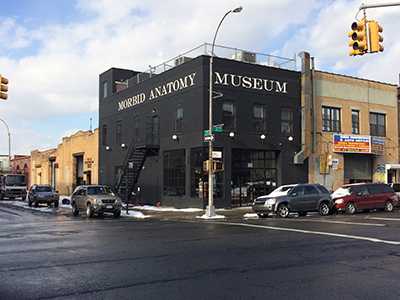
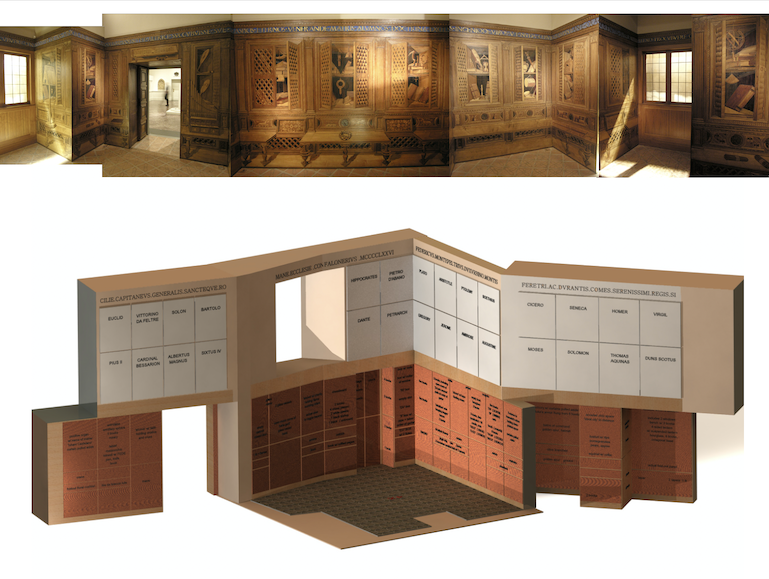
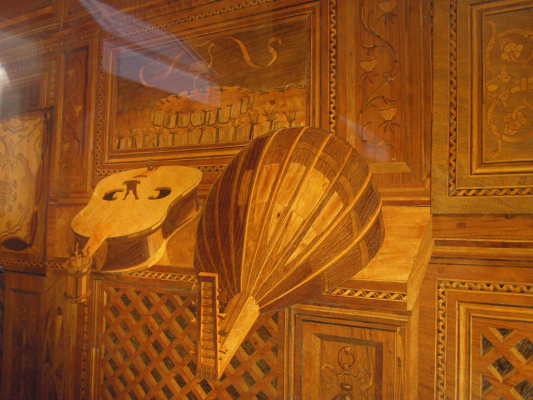
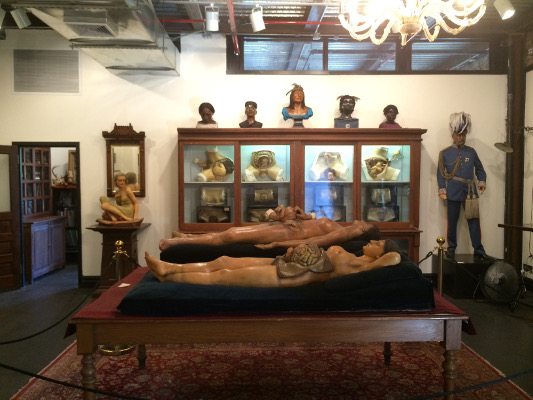
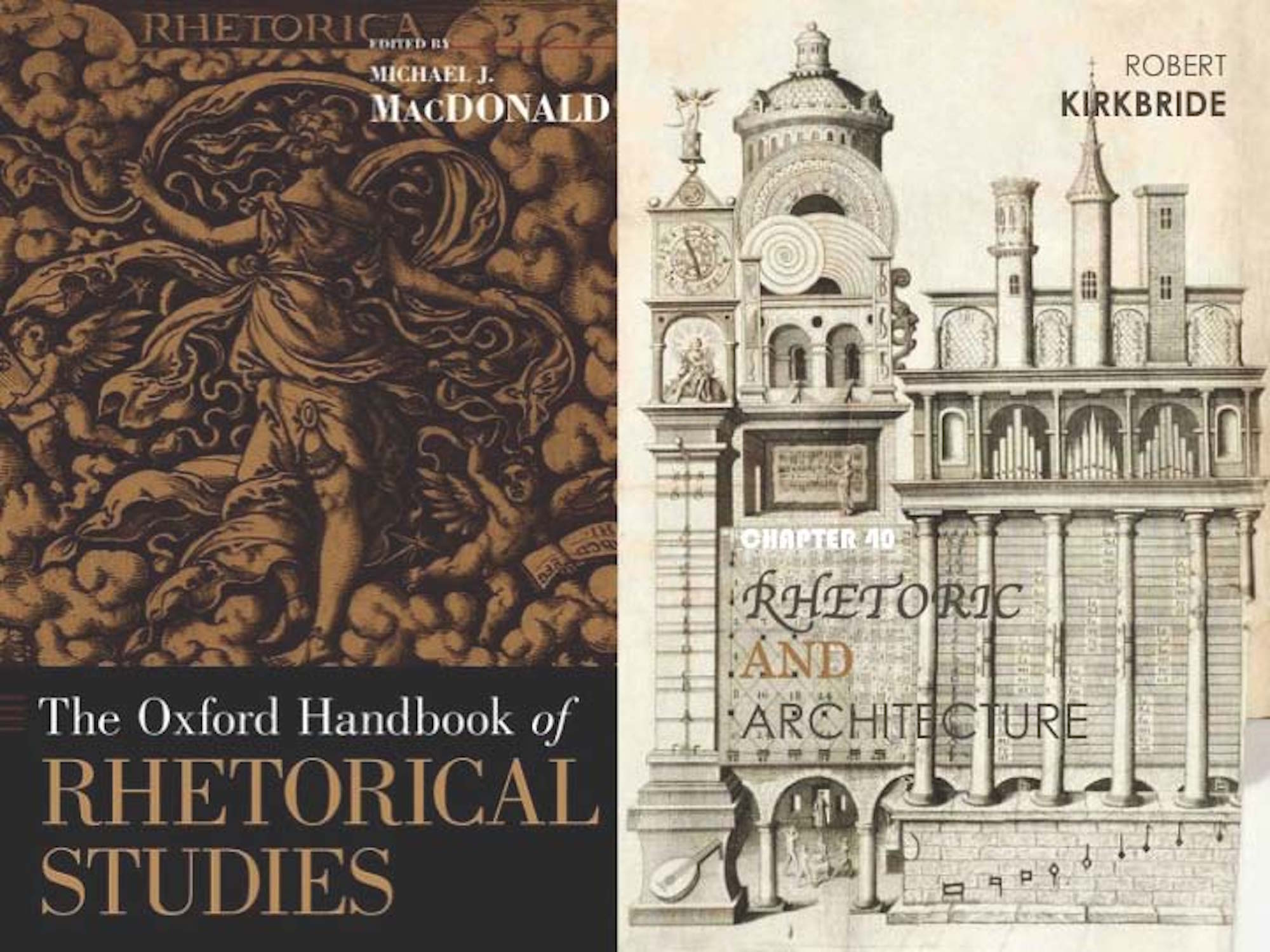
Over the past decade several longer arcs of inquiry have come full circle and converged in projects and activities featured on this site. In addition to residential projects, furniture, and a growing family of metaphoric objects, I’ve designed the Morbid Anatomy Museum, in Brooklyn, NY, with collaborator Anthony Cohn, AIA, and authored the multimedia online book, Architecture and Memory, in Brooklyn, NY, with collaborator Anthony Cohn, AIA, and authored the multimedia online book Architecture and Memory, which reconstructs the poetic and political uses of two exquisitely crafted Renaissance memory chambers. Architecture and Memory was awarded the Gutenberg-e Prize, and a second version was launched online by the American Council of Learned Societies as part of its Humanities E-Book series. In addition to composing the introduction to Greystone Park Psychiatric Hospital, for which Rusty Tagliareni, Christian Mathews and I each received Author Awards from the NJSAA, I’ve continued to explore the interplay of architecture and memory in a chapter on architecture and rhetoric in the Renaissance for The Oxford Handbook of Rhetorical Studies as well as the volume, Geometries of Rhetoric, which I guest-edited for the Nexus Network Journal. At Parsons/The New School, I’m an ongoing contributor to the Memory Studies Group and lead studio and seminar courses on the poetics of design, histories and theories of architecture, adaptive reuse and disaster preparedness. I also established the Giuseppe Zambonini Archive at the university’s Kellen Design Archives. This collection represents a unique convergence of architectural education and design-build practice in New York City in the 1970s and ‘80s, including a remarkable asset of online digitized lectures, multimedia research materials, and one of the earliest NYC exhibits of work by Zambonini’s thesis advisor, Venetian architect Carlo Scarpa.

Photographed by Martin Seck

I’ve been a visiting scholar at the Canadian Centre for Architecture, and architect-in-residence at the Bogliasco Foundation in Genoa, Italy, as well as an editorial board member of the Nexus Network Journal (Birkhäuser), and Alphabet City (MIT Press). Prior to joining the faculty at Parsons/The New School, I was a founding partner of the furniture design company, Studiolo, and the low-impact land planning company, Hawk Circle. My research and designs have been featured in the PBS documentary Mysteries of Mental Illness, the film XX/XY, The National Academy of Science’s ISSUES magazine, Asymptote Journal, Vogue, The Financial Times, The New York TimesThe Washington Post, Chora 4, Mark Magazine, C3, Alphabet City’s FUEL, WATER, and AIR, among others. I’ve been a visiting critic at the University of Edinburgh and guest professor at the University of Montréal. I’ve also conducted design workshops at the Cooper-Hewitt National Design Museum.

Contact

Facebook

News and updates.

LinkedIn

Get connected.

Instagram

See process and inspiration.

Twitter

See process and inspiration.

Pinterest

See process and inspiration.

News

To be updated about news and events, follow on Facebook.

TWO NEW TRANSLATIONS OF THE READING CHAMBER AT ASYMPTOTE JOURNAL

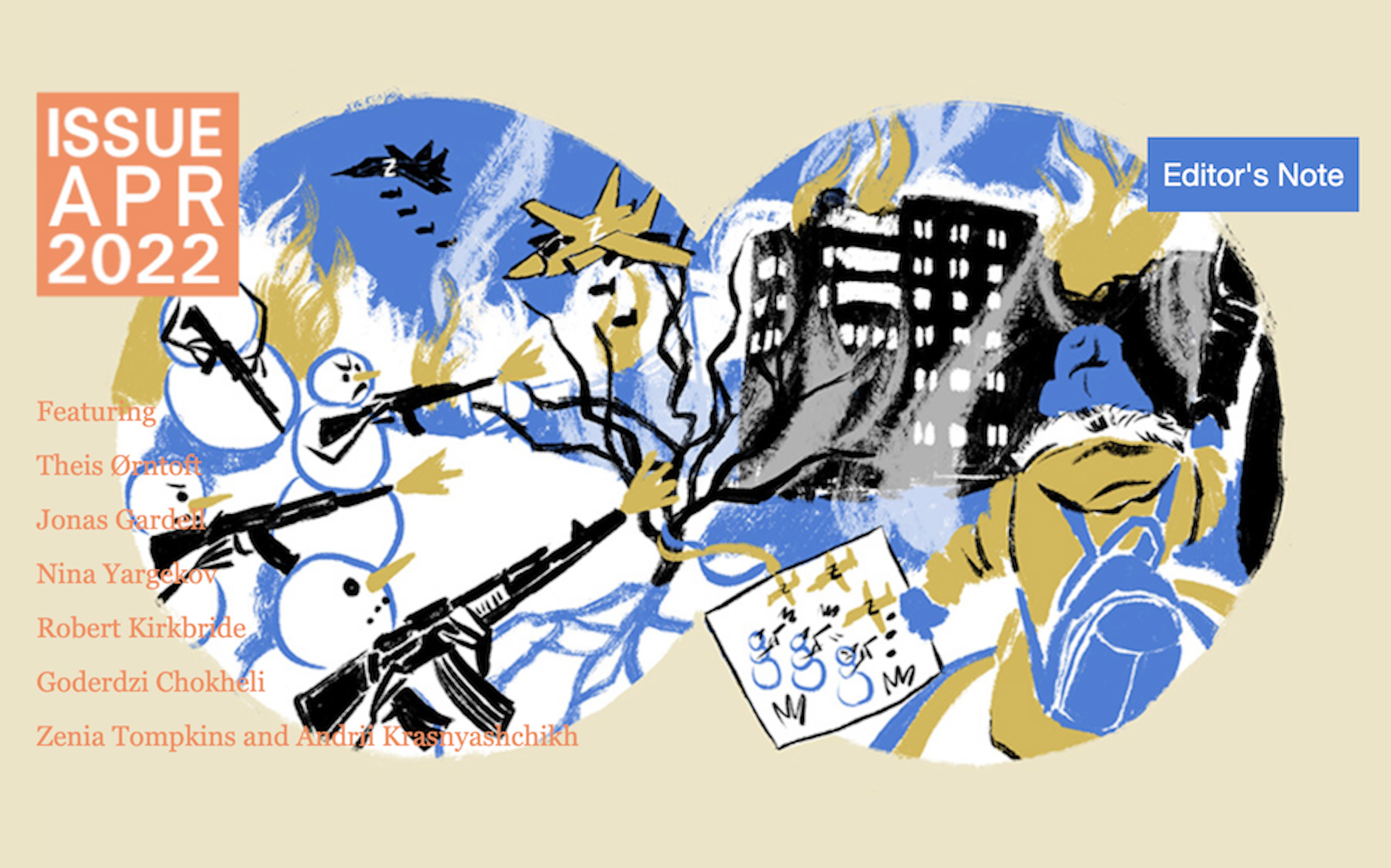
”The Reading Chamber” has found an ideal new open-access online home in the Spring 2022 edition of Asymptote Journal as its “Brave New World Literature Feature.”

In its Spring 2022 edition, “the premier site for world literature in translation” has included two remarkable new translations of ”The Reading Chamber” in Italian and Spanish, crafted by Anna Aresi and Josefina Massot, respectively. It’s an honor to be featured among authors from 34 countries, and Asymptote is the perfect vehicle to advance this text’s narrative of ongoing knowledge translation and transformation. The editors have also issued a call for more translations: “If you are a seasoned translator working in a language other than English, Italian, or Spanish, and would like to play a role in making this gem of a text available in other languages, drop [the Asymptote editors] a note with the subject header ‘Translating The Reading Chamber,’ letting us know which language(s) you might be interested in translating the work into.” So please consider and pass along this opportunity to keep the story spinning…

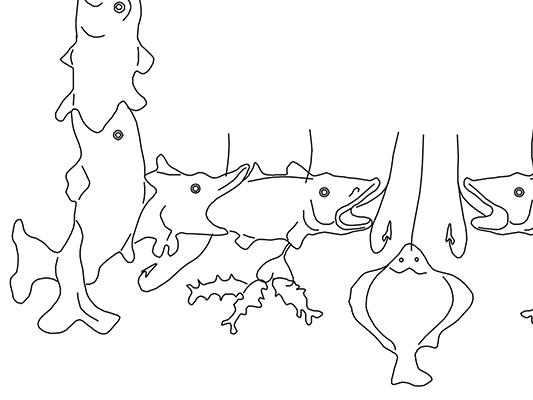
This new digital incarnation of “The Reading Chamber” will include the original illustrations by Scintilla Paramanu, Scott Hsu, Michael McDowell, Andrew Broddle, Charlotte Ensign, Rob O’Roboro and Angelina Putri, and it complements the tangible version released in Architecture’s Appeal, edited by M. Neveu and N. Djavaherian (London: Routledge, 2015), pp. 5-15. It is reproduced by Asymptote Journal with permission by the Taylor & Francis Group.


Relaunch of Greystone Park Psychiatric Hospital Oral History Project Website

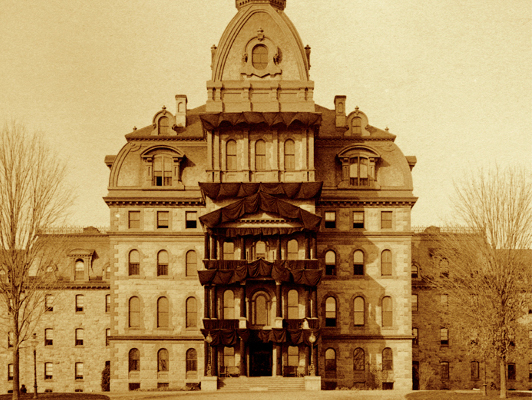
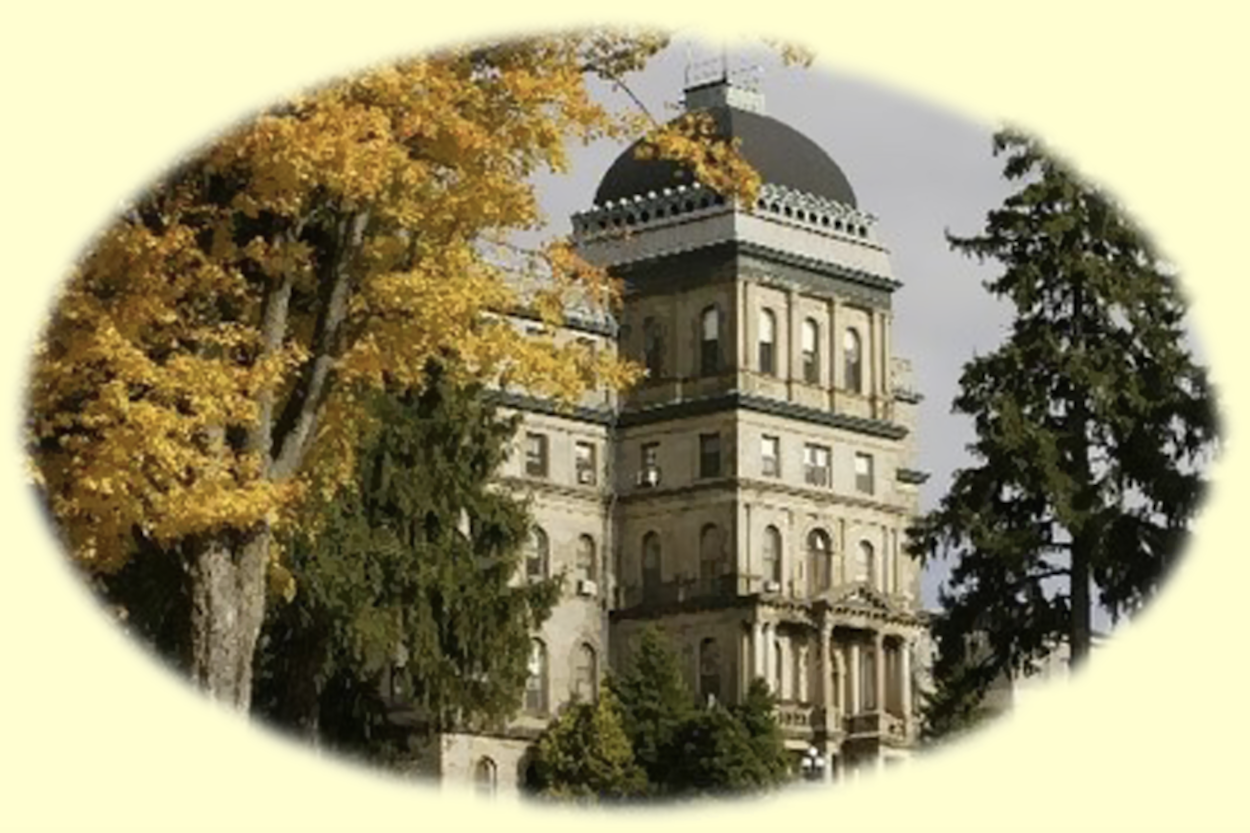
Complementing my role as Spokesperson at PreservationWorks and our aim to preserve and adapt the remaining Kirkbride Plan psychiatric hospitals, I’m delighted to support community efforts to memorialize these remarkable buildings and the lives of those who lived and worked within them. As Project Advisor for the Greystone Park Psychiatric Hospital Oral History Project, I’m pleased to contribute to the important work of Stephanie Kip and the project’s mission “to preserve the memories of individuals connected to the original Greystone Hospital and make them readily accessible to the public.” The website has been recently relaunched featuring a range of interviews, including my own. Take a few minutes to visit the site and listen to remarkable stories about Greystone, whose demolition was ranked among the top five architectural losses nationwide in 2015 by the National Trust for Historical Places. It was the loss of Greystone that inspired the formation of PreservationWorks to share knowledge through projects such as this.


Mysteries of Mental Illness (PBS Documentary)

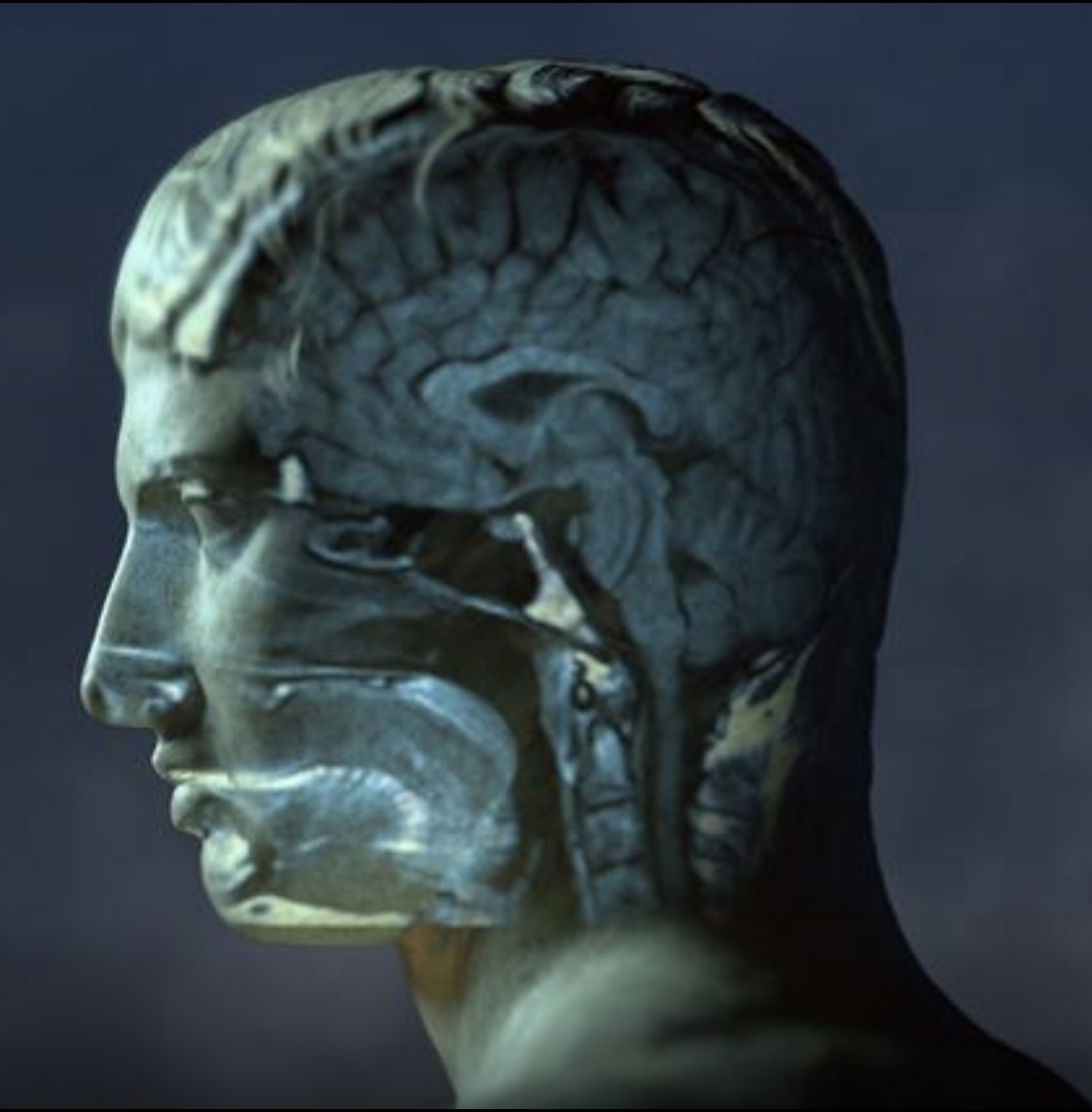
I was honored to be among the experts featured in the four-part PBS (WGBH) documentary series Mysteries of Mental Illness, produced by Pangloss Films. My interview was featured in Episode 3, “The Rise and Fall of the Asylum.”

About the series: “Mysteries of Mental Illness, a multi-platform initiative from WGBH, examines the story of mental illness in science and society. With a four-hour broadcast series, a digital series and an extensive engagement campaign, Mysteries of Mental Illness traces the evolution of this complex topic from its earliest days to present times. It explores dramatic attempts across generations to unravel the mysteries of mental illness, and give voice to contemporary Americans across a spectrum of experiences.”


The Syntax of Space Interview with Mark Hage (A Public Place Journal)

“The Syntax of Space” is an interview I did with Mark Hage about Kirkbride Plan psychiatric hospitals for Issue 29 of the literary and arts journal A Public Space, edited by Brigid Hughes. Available in print and online, “The Syntax of Space” centers on efforts at PreservationWorks and communities across the United States to preserve and adapt the remaining Kirkbride Plan Psychiatric Hospitals. Hage writes, “The following interview was conducted at the Parsons School of Design, in a small room with two chairs and a small table. The interview with Robert Kirkbride was to cover the historic asylums that housed patients with mental illness, which were conceived in the nineteenth century by another Kirkbride, a relative, Thomas Story Kirkbride. But the conversation, as was its hope, set out past the confines into a peripatetic expanse that included Roman walls, superheroes, wood joists, Abraham Lincoln, and French museums. A marshaling of complexities and influences that shape the constructed space and the currents toward its potential erasure.”

A Public Space is an independent, non-profit publisher of the award-winning literary and arts magazine and A Public Space Books. Since 2006, under the direction of founding editor Brigid Hughes, the mission of A Public Space has been to seek out and support overlooked and unclassifiable work.


Recent 2018-2019 Lectures

Dean of Parson’s School of Constructed Environments Robert Kirkbride moves between disciplines fluidly, bridging design and scholarship, making and theory. His multifaceted practice engages the mental and physical infrastructures of memory, identity, and learning---resulting in provocative objects and architectural forms. Kirkbride has always been keenly aware of sustainability and has sought to incorporate environmentally responsible practices into many of his projects. Eco-consciousness also influences his work at Parsons. While sustainability and resilience are not givens in the design world, Kirkbride believes that they are quickly becoming absolute necessities. Students must be aware of and think critically about the consequences of their work to ask essential questions about the materials they use and the impacts of products and their making in the world. By better understanding themselves as creators and investigating the making process deeply, students become more aware as designers actively shaping the world.

April 9, 2019
Keynote Speech “Upstream-Downstream” delivered at the 2nd International Conference on Sustainable Smart Manufacturing, Manchester, UK

Obtain

November 14, 2018
Invited Moderator at the Japan Society, New York, for panel titled This Could Save Your Life: Collective Wisdom for Disaster Response including Hirokazu Nagata, Ruttikorn Vuttikorn, and Ikaputra. Event co-organized by The Japan Foundation Asia Center

November 3, 2018
Panelist at AIA/Center for Architecture, NYC, in Deans Roundtable with deans from Schools of Architecture in NYC and northeast region

October 26, 2018
Panelist for session titled “Around the World: Research Metrics,” ACSA 2018 Administrators Conference (Association of Collegiate Schools of Architecture), Quebec City, Canada

April 19, 2018
Produced and Moderated Parsons School of Constructed Environments, New York City, Public Programs titled “SCE New Faculty: Short Talks and Conversation” featuring: Dr. Sharon Sutton, Fiona Raby, Dr. Arta Yazdanseta, Carla Diana, Yu Nong Khew

April 14, 2018
Panelist and moderator for “Space Unbound” in Memory Rebound, Tenth Annual Conference of the Memory Studies Group, The New School University, New York City, featuring current New School graduate students and alumni

March 19, 2018
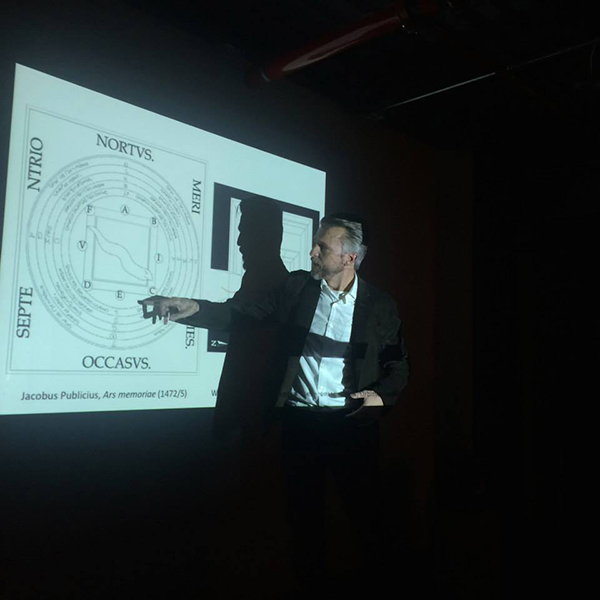
Speaker at Pantheon Institute, Rome, Italy, lecture titled “Architecture and Memory”

November 4, 2017
Panelist at AIA/Center for Architecture, New York City, in Roundtable with Deans from Schools of Architecture in NYC and northeast region


Updates To Kirkbride Hospitals Lecture Series

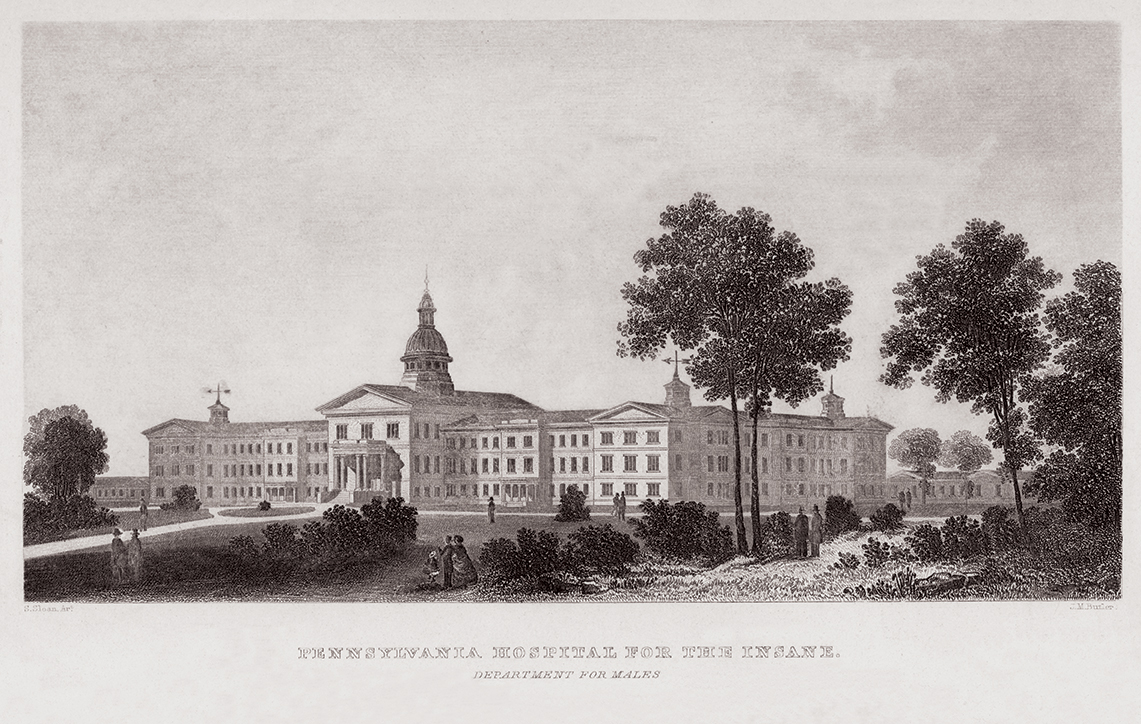
Acknowledging the timely and prevailing urgency around improving support for the mentally ill that goes beyond the concerns for these historic structures, Robert Kirkbride has essayed to expand awareness of that larger problem through the lens the buildings provide. In the past three years, he’s traveled and lectured frequently on these remarkable structures by invitation and by peer review, including talks at the National Building Museum and the Society of Architectural Historians International Conference, in Glasgow, Scotland. Related to this work, Kirkbride recently received an NJSAA Author Award in popular non-fiction for contributing to 2016’s Greystone Park Psychiatric Hospital, and have been featured in interviews and related articles in Newsweek, The New York Times, The Village Voice, and other national publications.

March 28, 2019
Producer + Presenter at Parsons School of Constructed Environments, part of the Spring 2019 Parsons SCE Public Programs, presenting on A Tale of Two Asylums: the Fall of Greystone and Rise of the Richardson Olmsted Campus, featuring panel co-participants Paul Goldberger and Stephen Brockman

June 23, 2018
Ohio University, Southeast Ohio History Center and Ohio Humanities, Athens Asylum Sesquicentennial Speaker Series, lecture titled “The Many Phantoms of the Kirkbride Hospitals for the Insane,” with site visit to protect the Athens Lunatic Asylum (The Ridges)

June 16, 2018
Otter Tail County Historical Society, Fergus Falls, Minnesota, lecture titled "The Many Phantoms of the Kirkbride Hospitals for the Insane,” with site visit to protect the Fergus Falls Regional Treatment Center

April 12, 2018
Roosevelt Island Historical Commission, New York City, Lecture Series co-sponsored with New York Public Libraries, lecture titled “The Many Phantoms of the Kirkbride Hospitals for the Insane”

February 28, 2018
New School Memory Studies Group Spring 2018 Lecture Series, The New School University, New York City, lecture titled “The Many Phantoms of the Kirkbride Hospitals for the Insane

February 22, 2018
Sleeping Bodies: Observation, Calibration and Control, The New School University, New York City, short talk titled “Bedside Manners at the Kirkbride Hospitals for the Insane” and panel conversation with co-presenters Jonathan Crary and Kenton Kroker

November 21, 2017
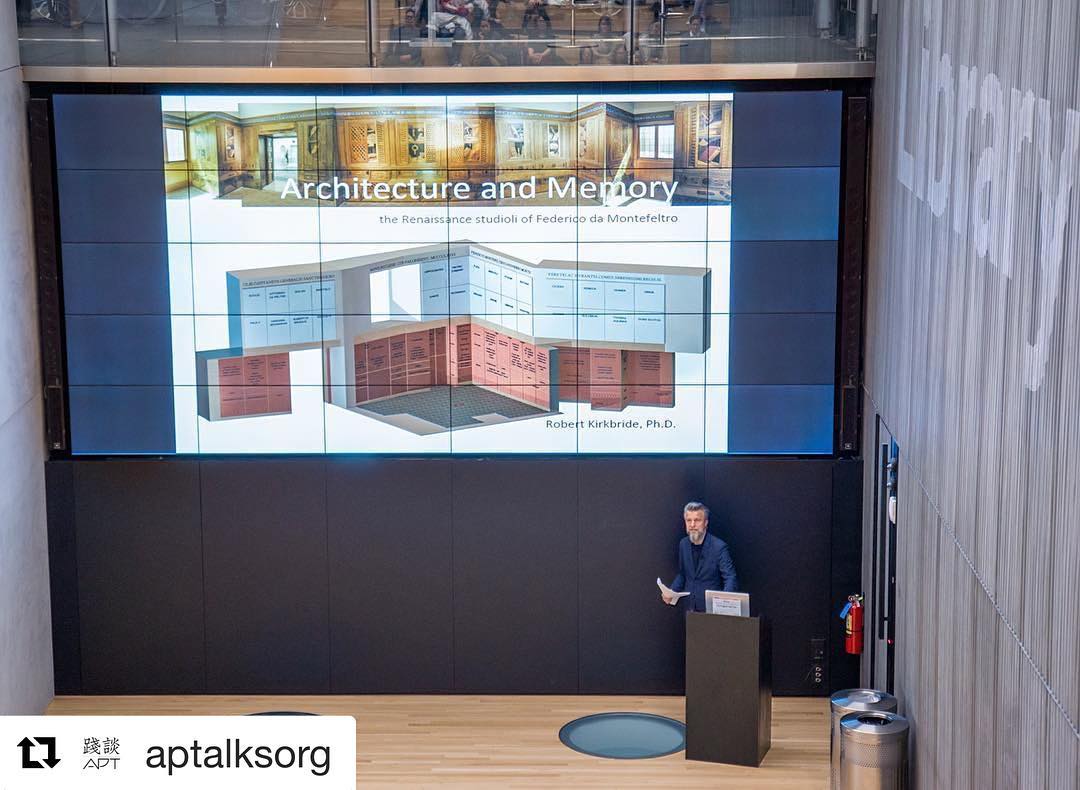
APT (Architecture Practice Talks) Series, New York City, lecture titled “The Phantoms of Kirkbride Hospitals of the Insane,” co-sponsored with New York Public Libraries


NJSAA’S Author Award For Popular Non-Fiction (With Rusty Tagliareni And Christina Mathews)

The Daily Targum (Rutger’s University paper) article “Academic Alliance Hosts Award Panel for Excellence in NJ-based Literature” by Ryan Stiesi (December 8, 2017)


Print Version Of Oxford Handbook Of Rhetorical Studies

“Kirkbride demonstrates how Vitruvius and Leon Battista Alberti build on architectural concepts and analogies developed by Cicero and Quintilian, including composition, ornamental styling, and analogies between bodies, orations, and buildings. Moving from theory to practice, Kirkbride shows how professional architects employed a range of rhetorical skills over the course of a construction project, from eloquence, argument, and practical wisdom to visual persuasion by means of sketchbooks and illustrated codices designed to attract investors.”

Michael J. MacDonald
Editor, The Oxford Handbook of Rhetorical Studies

Obtain (Oxford University Press) Obtain (Amazon)


Read previous articles in the News Archive